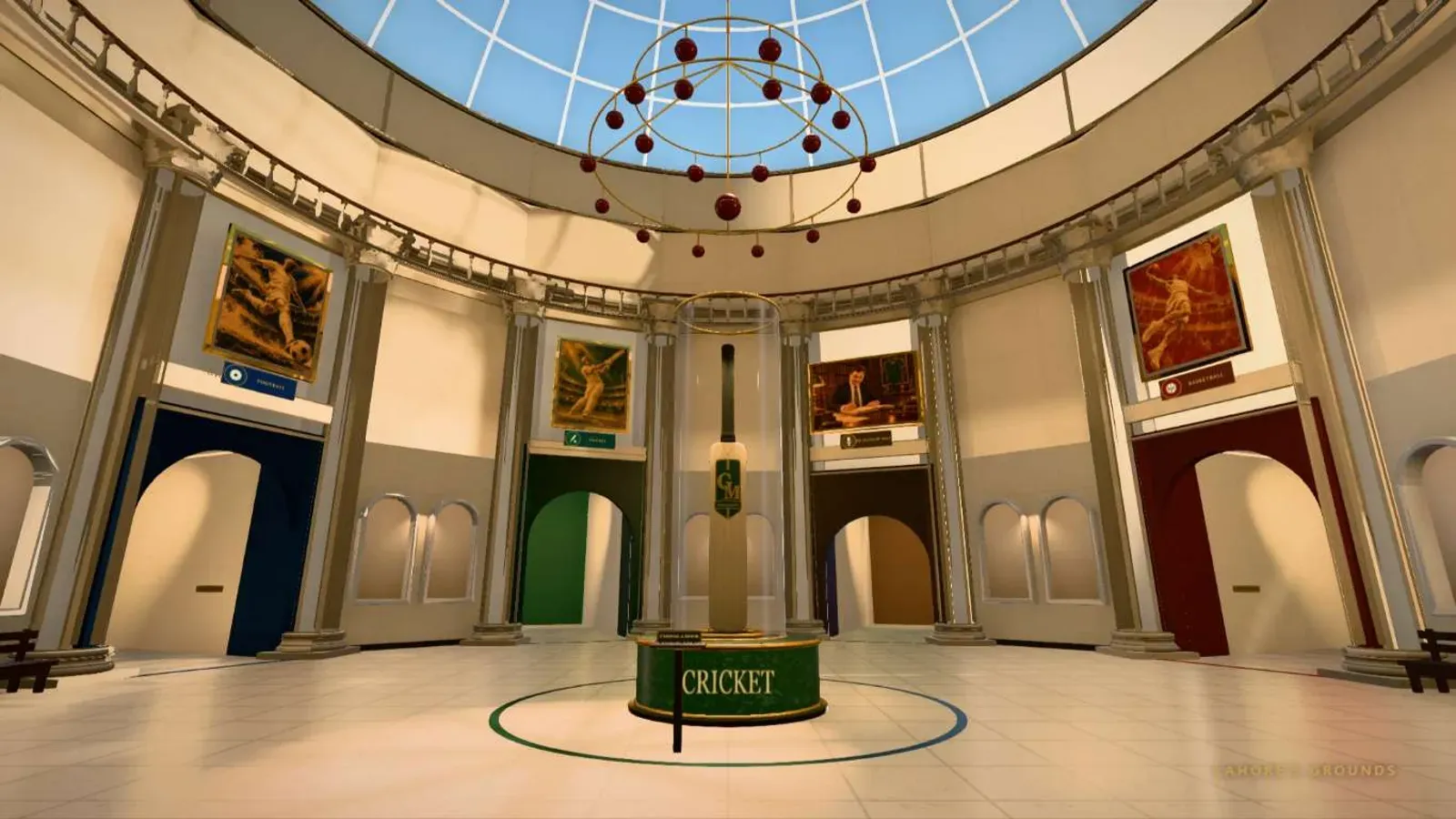
The Entrance Hall of the museum: a domed hall with six portals and the cricket plinth at the centre

The Long Innings – A museum of cricket

The game, room by room.

Dr Nauman Niaz’s cricket collection, open in your browser. Walk the rooms, listen to books, bid on a piece of history.

Scroll to see what we hold

The Laws * Lord’s * The first Test * The World Cup * Kept * Walked * Shared
The Entrance Hall in the museum: a glass dome above columns and lit portals into the wings
The Entrance Hall

Why we built it

Cricket’s history, kept safe and open to everyone

  1. Keep it

    Every object is honestly labelled: what it is, and what we do not know.

  2. Walk it

    Move through the rooms and stand close. Stand in the game, rather than read about it.

  3. Share it

    The game belongs to everyone who loves it. So does its history.

The game

Twenty-two yards. Eleven a side. A ball, a bat, and a day, or five, to settle it.

Timeline

Four centuries in ten dates

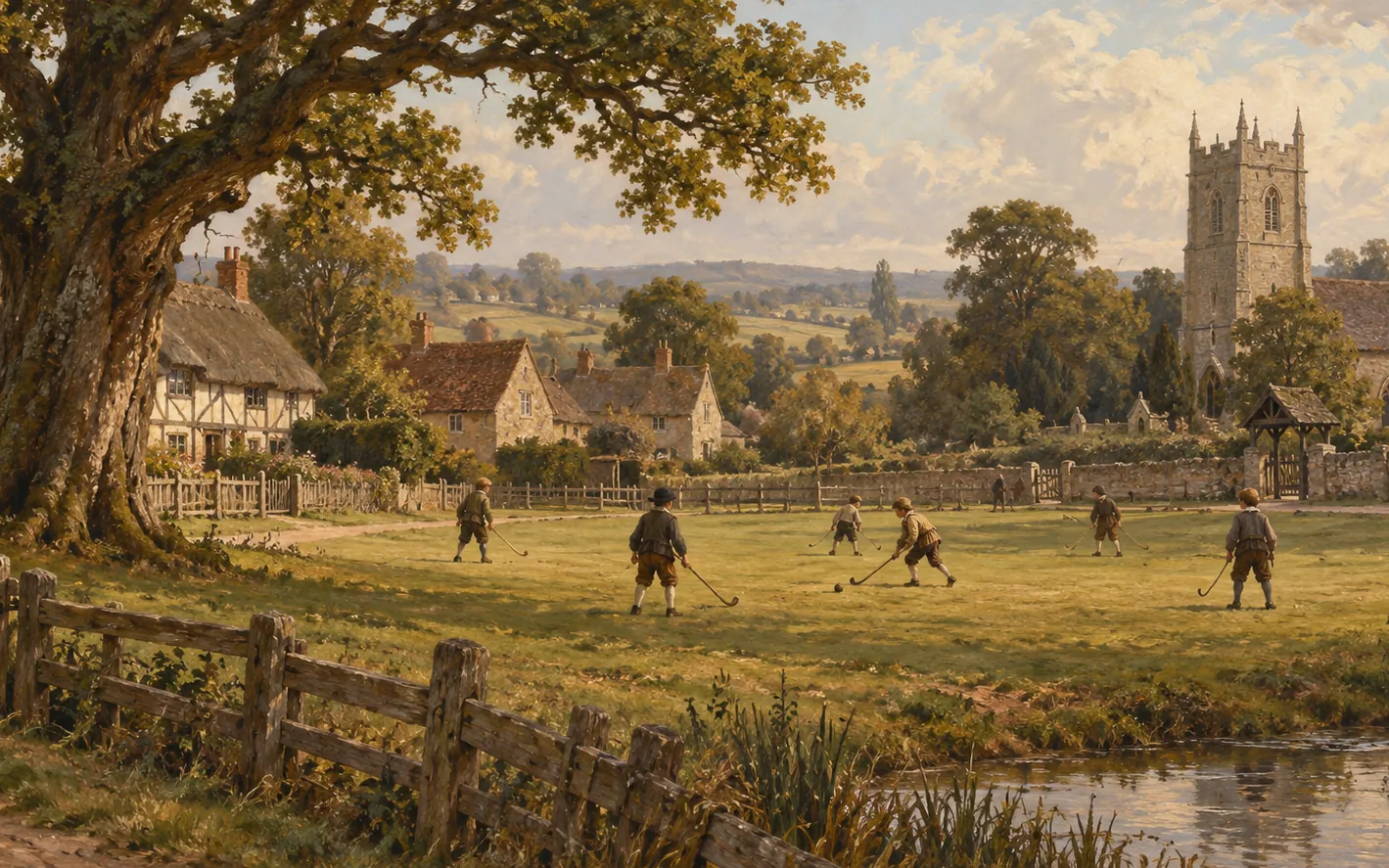
  1. A village green around 1600, with boys playing with a curved stick and a ball

    In 1598 a Guildford court hears a man recall playing ‘creckett’ as a boy, about 1550.

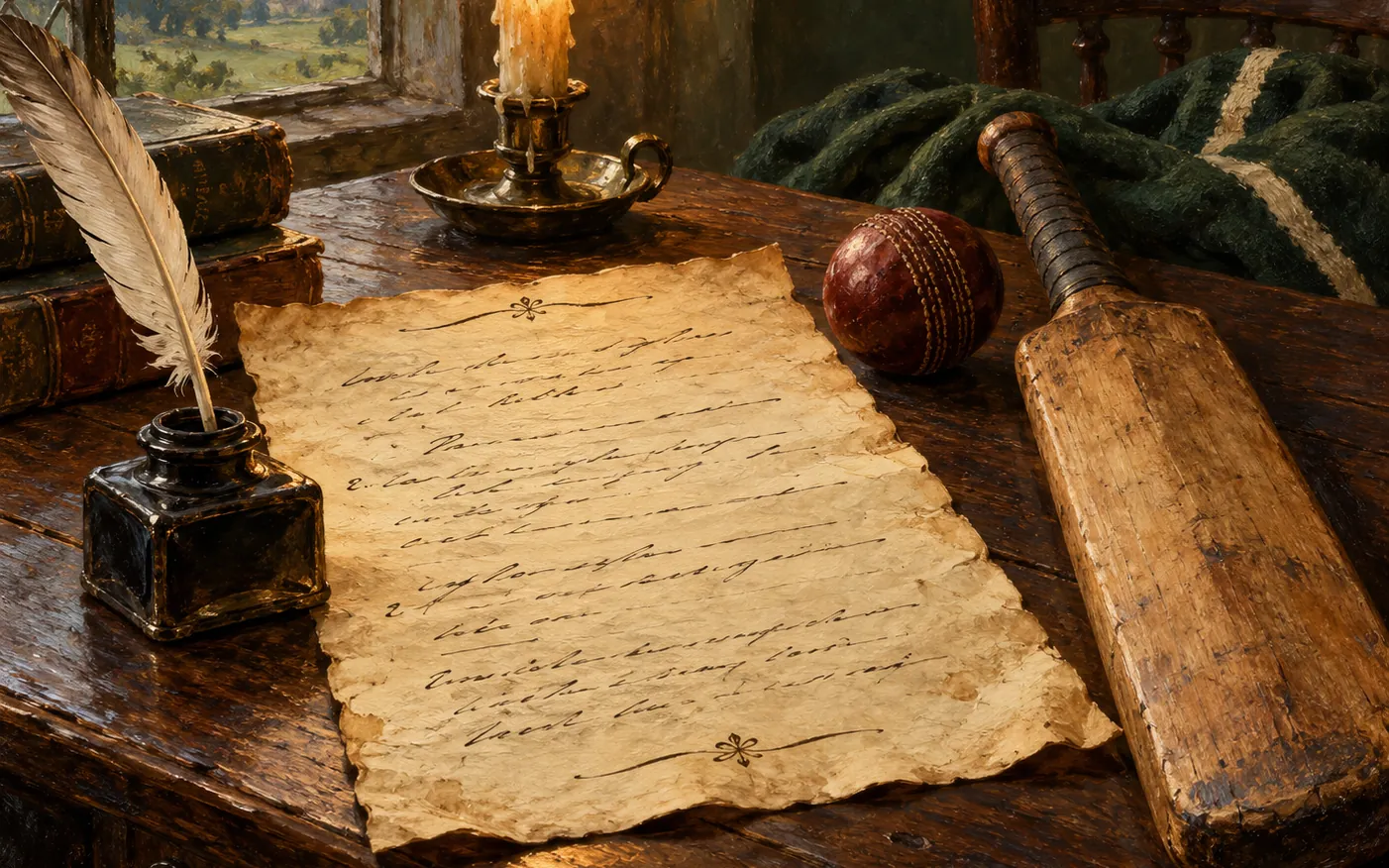
  2. Handwritten laws on a candle-lit table beside an old bat and ball

    The London Cricket Club sets down the Laws at the Artillery Ground. The stumps stand 22 inches.

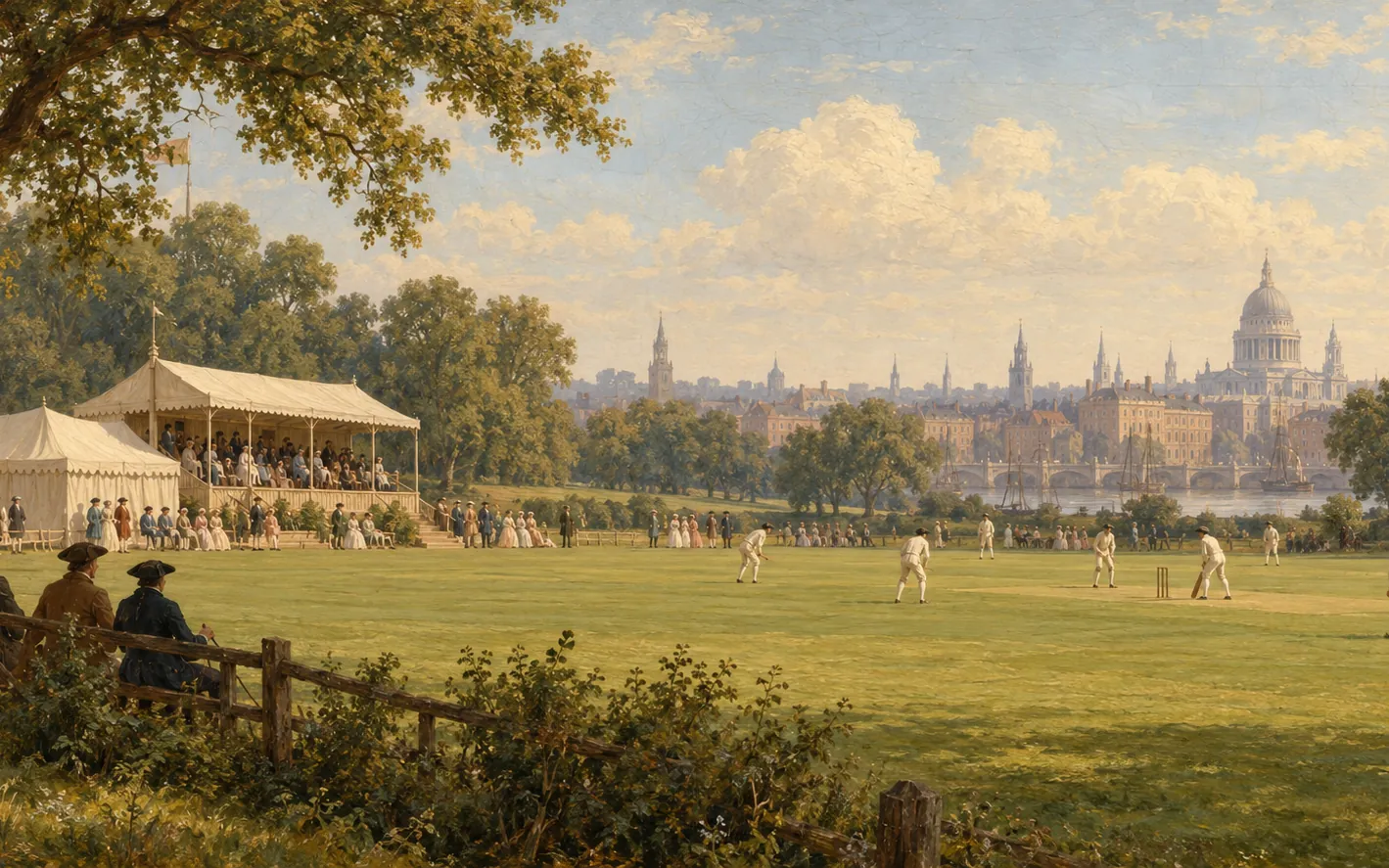
  3. A small pavilion and green ground in London in the 1780s

    The Marylebone Cricket Club is formed, and Lord’s ground opens.

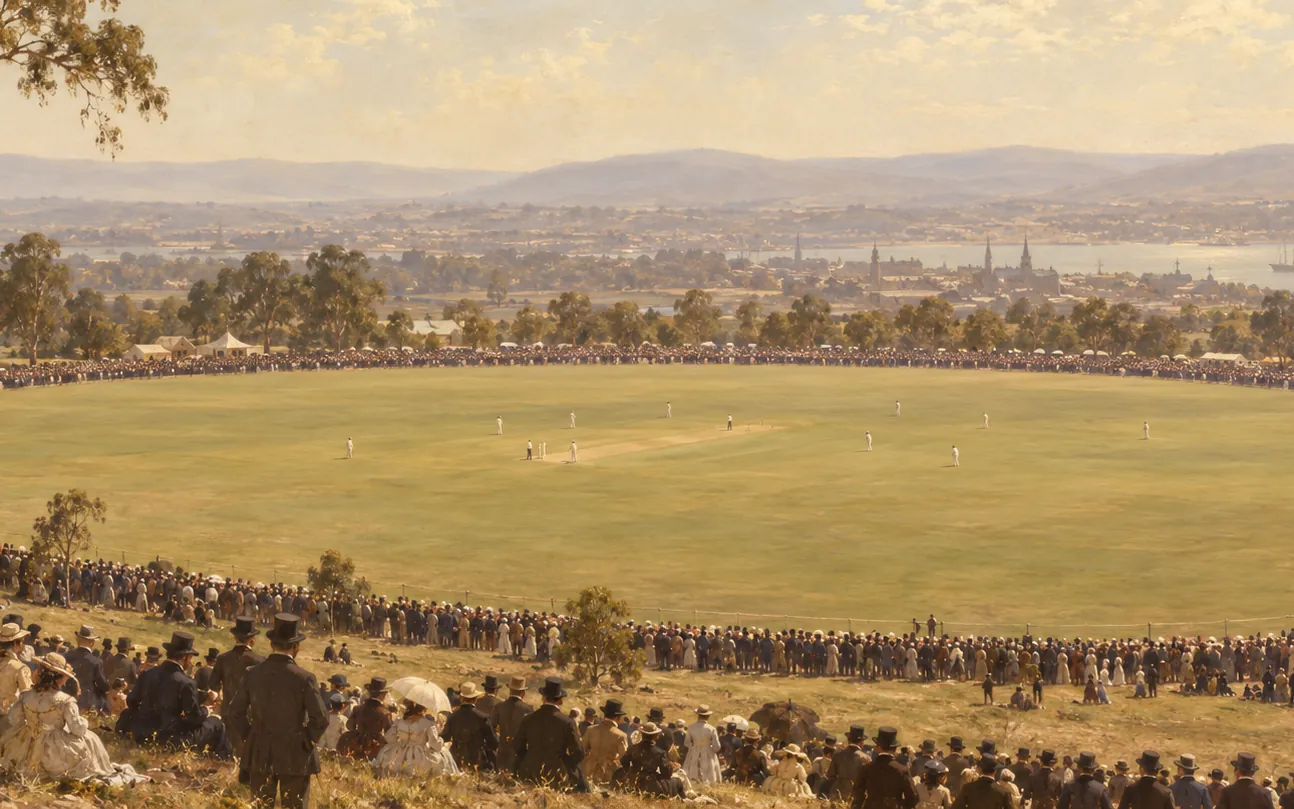
  4. A crowd around a cricket ground in 1877

    At the MCG, Australia beat England by 45 runs. Charles Bannerman makes 165, the first Test century.

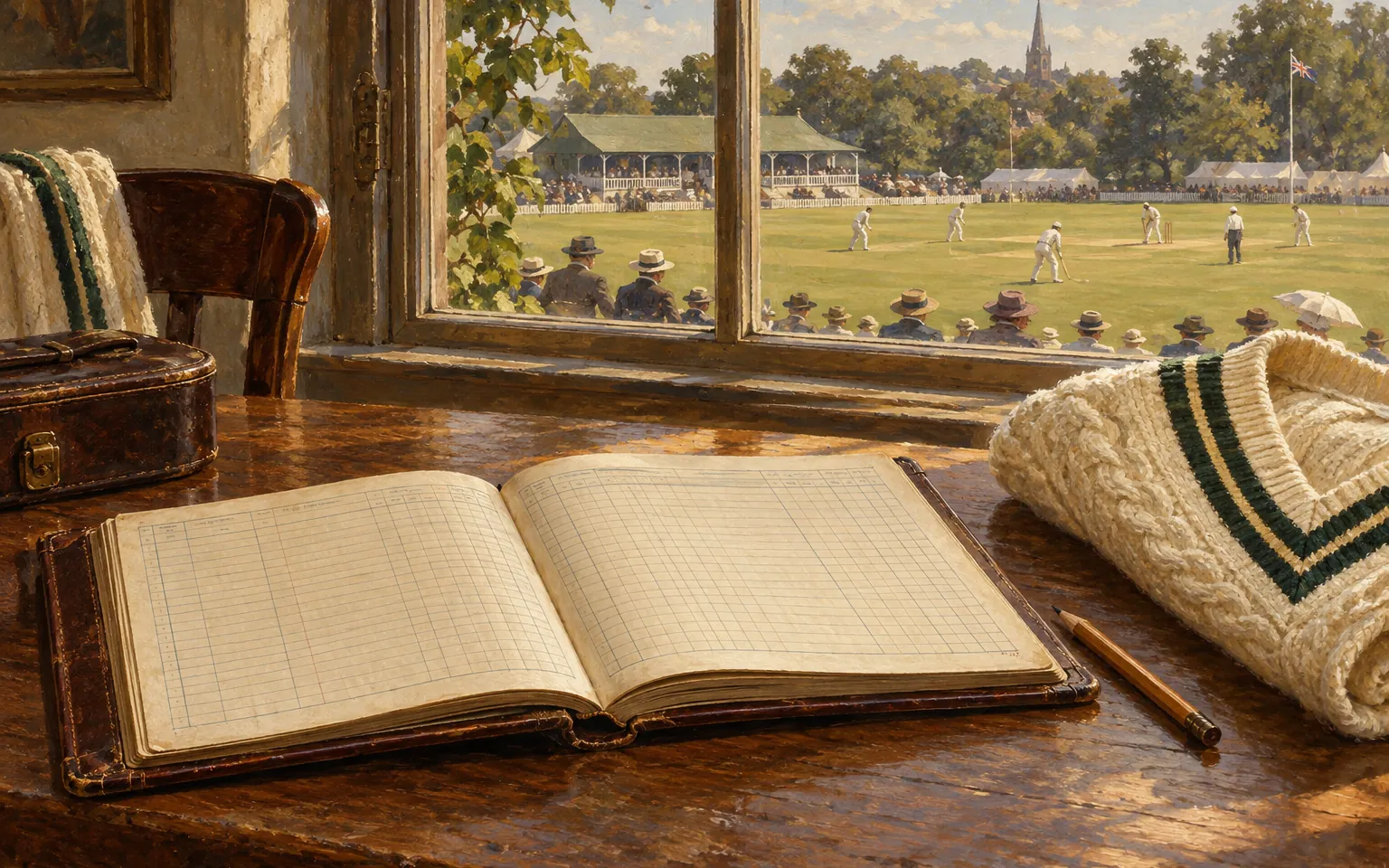
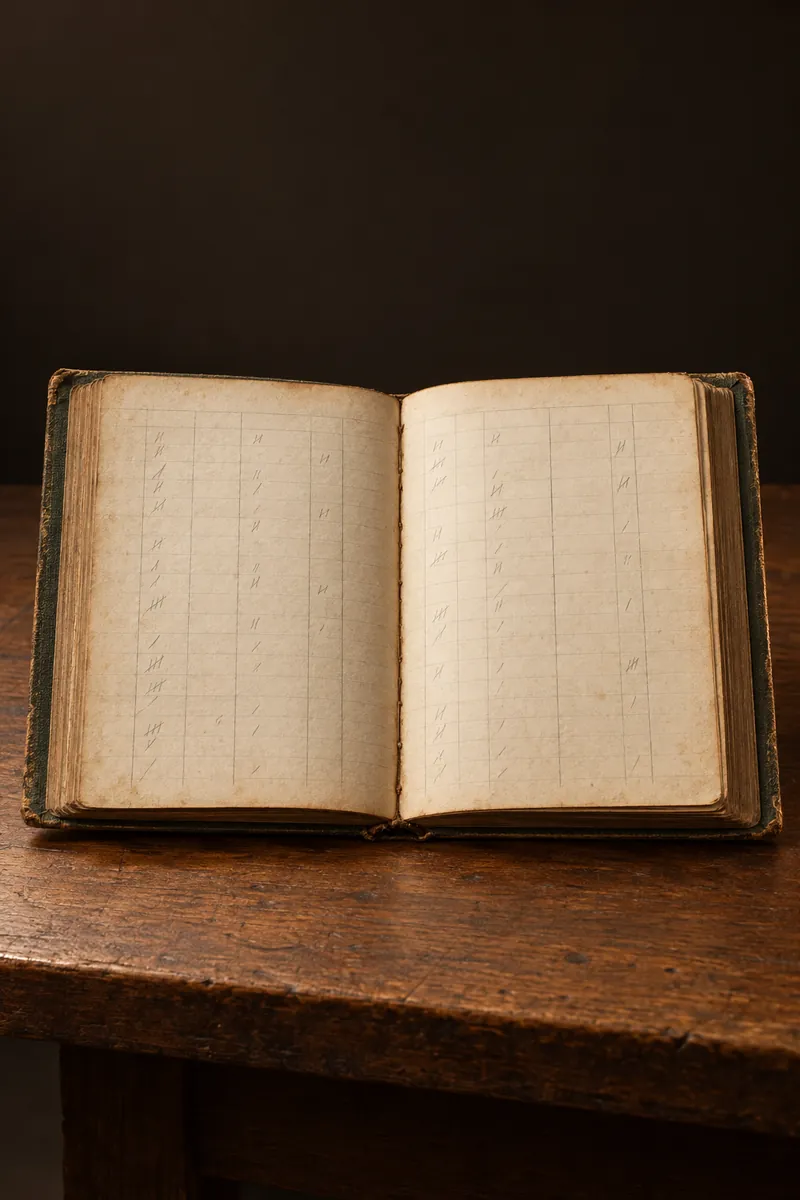
  5. A scorebook and a folded white sweater on a table

    At Brisbane, England beat Australia by nine wickets. Myrtle Maclagan takes 7 for 10 and scores 72.

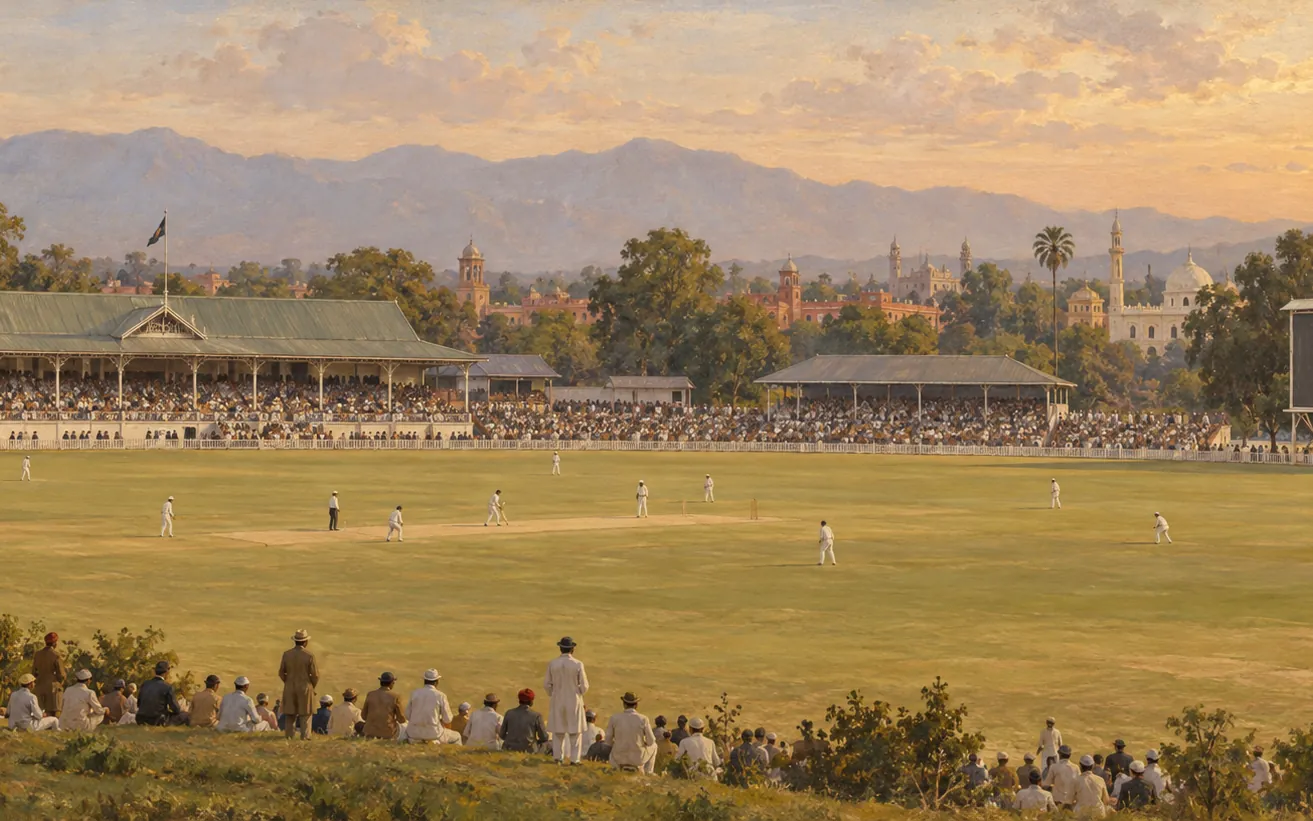
  6. A 1950s cricket ground with a crowd and a scoreboard

    At the Feroz Shah Kotla, Delhi, against India. Hanif Mohammad, 17, makes his debut.

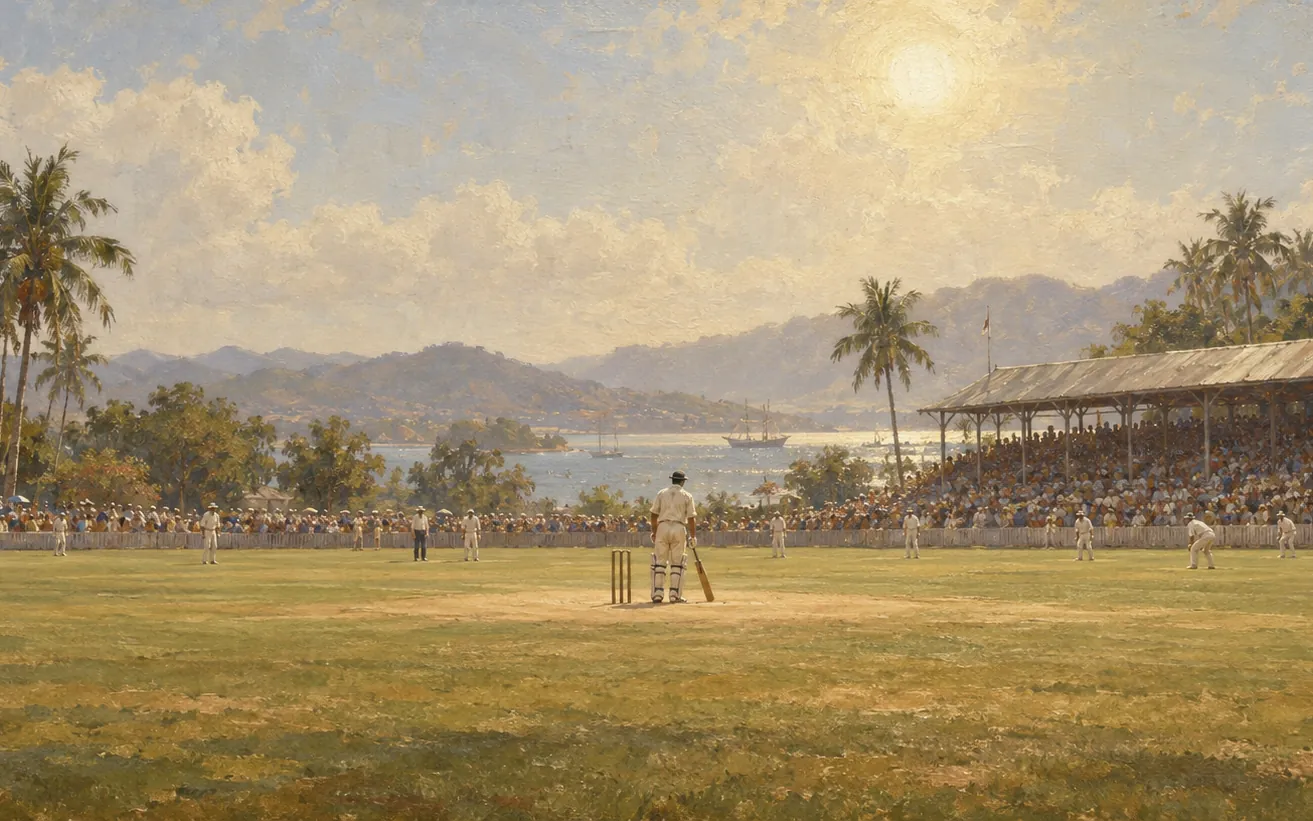
  7. A lone batsman at the crease on a hot day at a Caribbean ground

    At Bridgetown, 970 minutes. Pakistan, 473 behind, follow on and save the match.

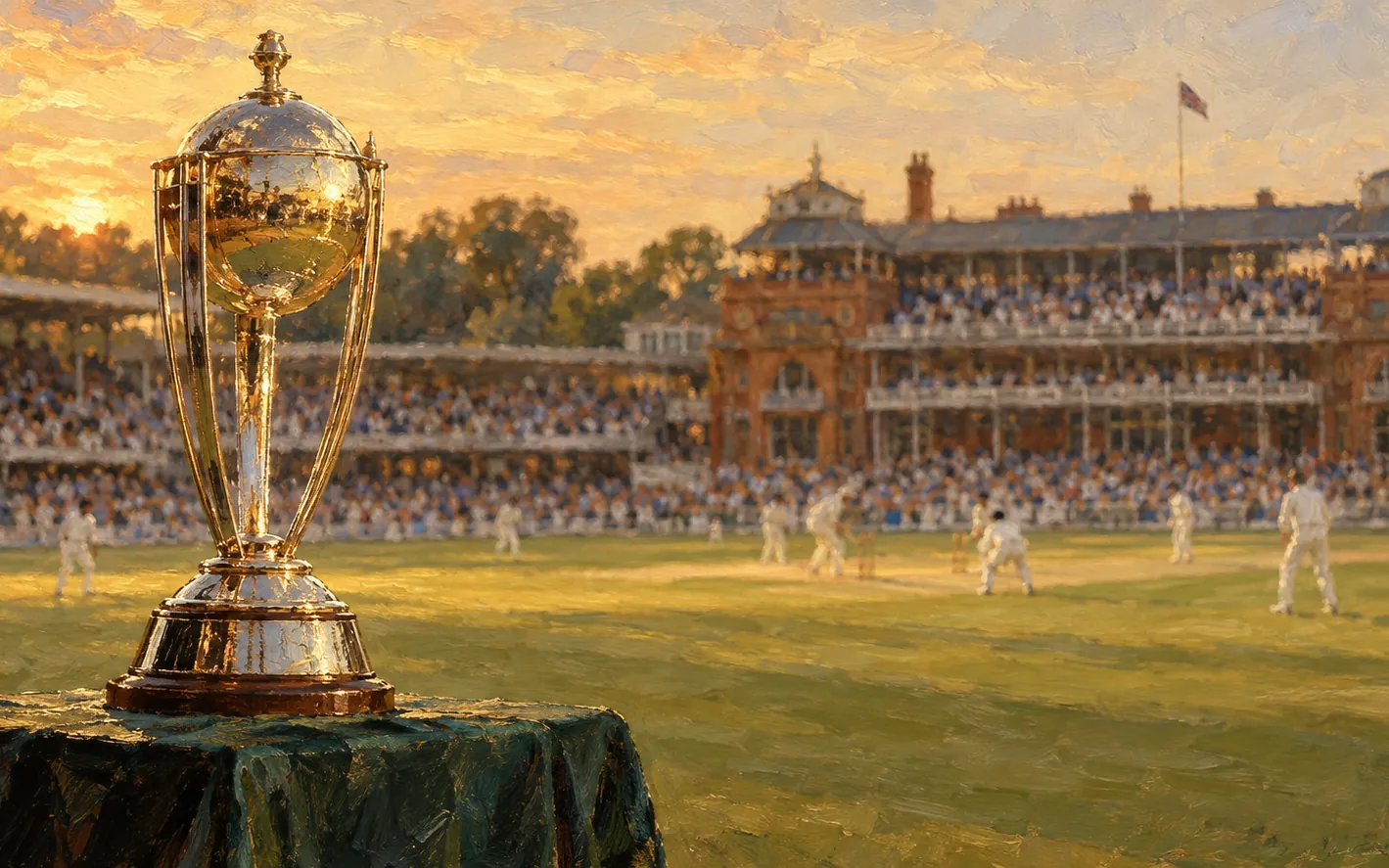
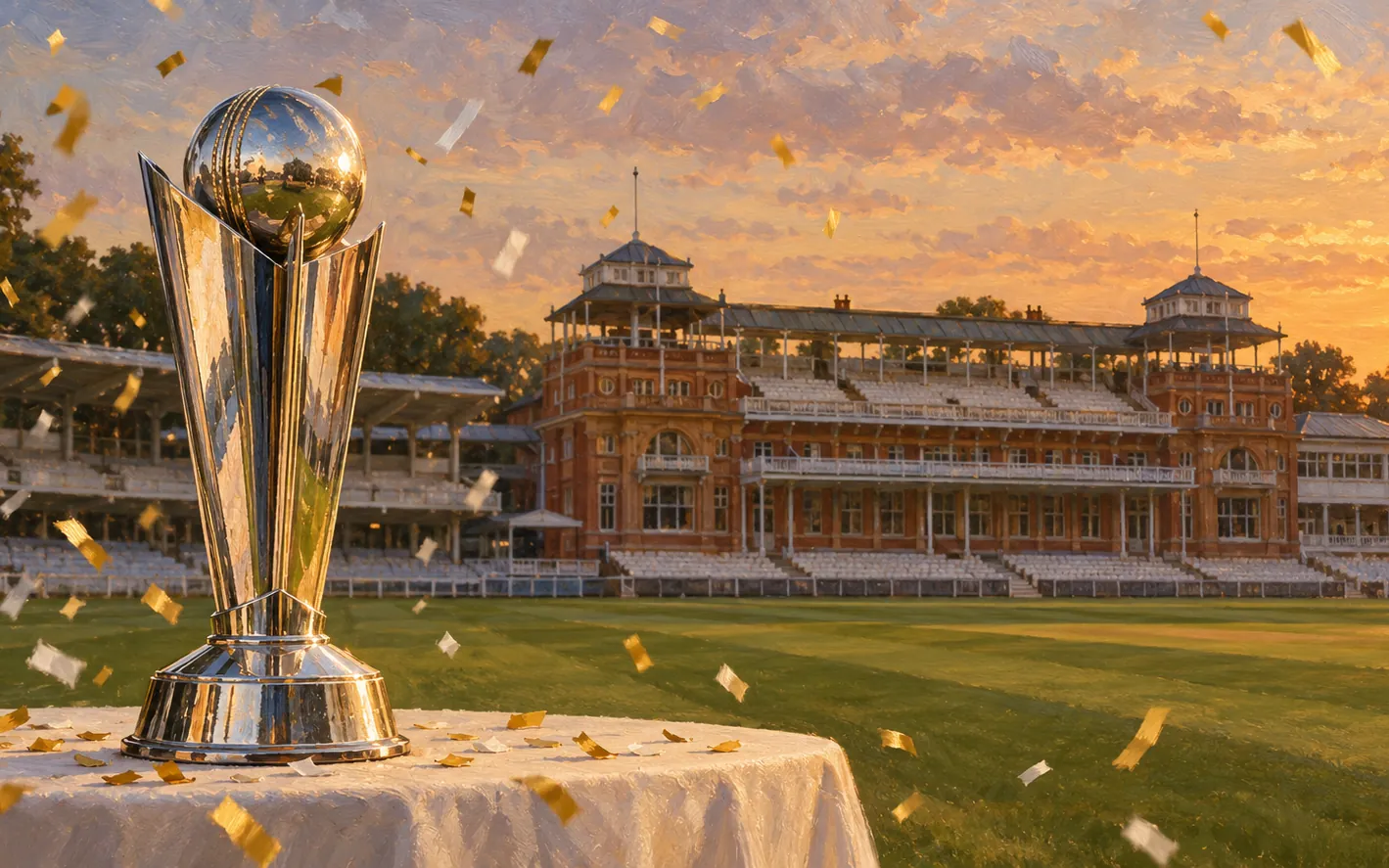
  8. A silver cup on a plinth at Lord’s on a summer evening

    Held in England. West Indies beat Australia in the final at Lord’s.

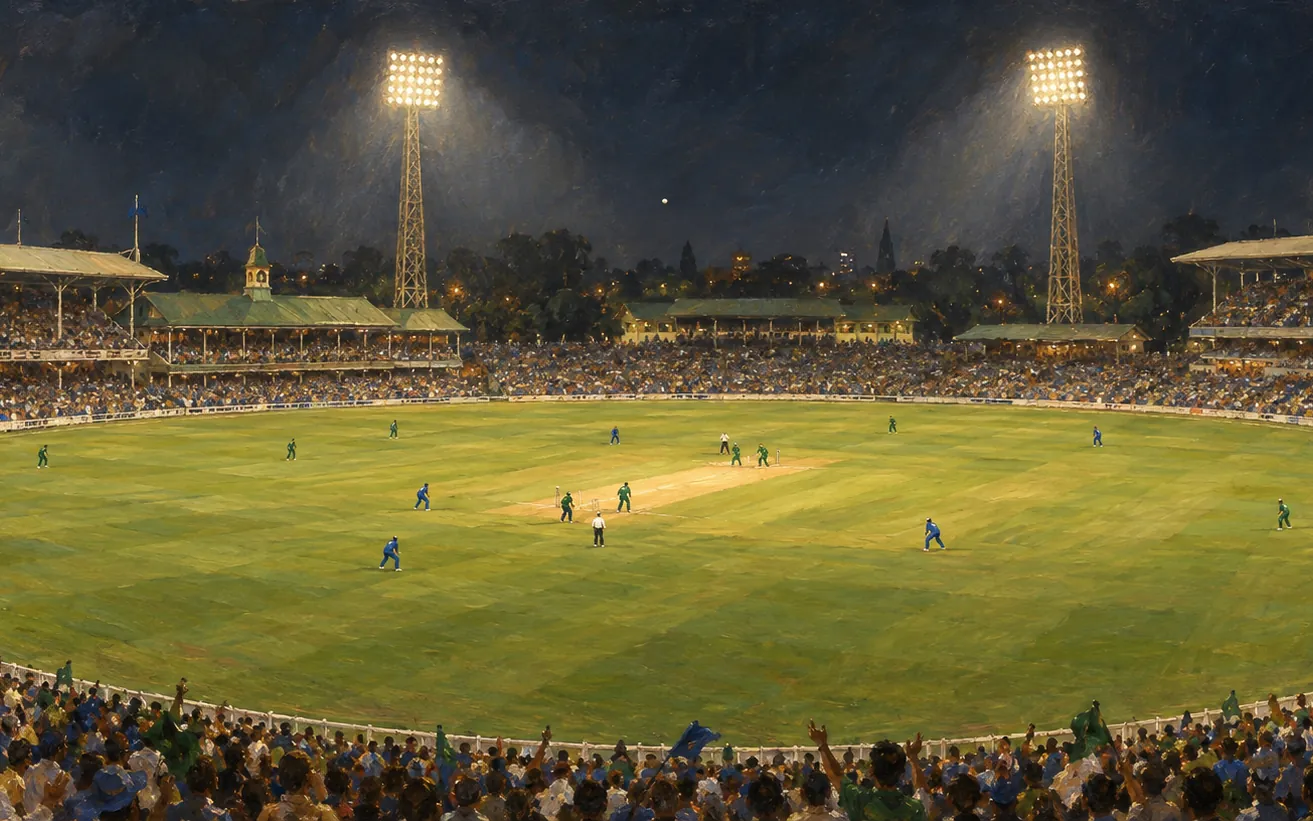
  9. A floodlit stadium at night with a roaring crowd

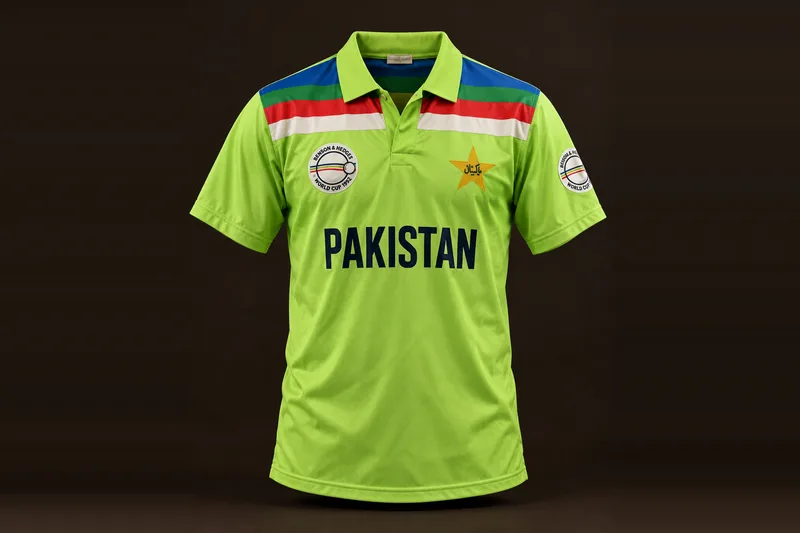
    Pakistan beat England by 22 runs at the MCG. The first World Cup played in coloured clothing, with white balls and day-night matches.

  10. A silver trophy in front of the Lord’s pavilion at dusk

    Pakistan beat Sri Lanka by eight wickets at Lord’s.

Illustrations painted for The Long Innings.

Treasures

Treasures of the galleries

Six pieces from the museum, photographed in the light.

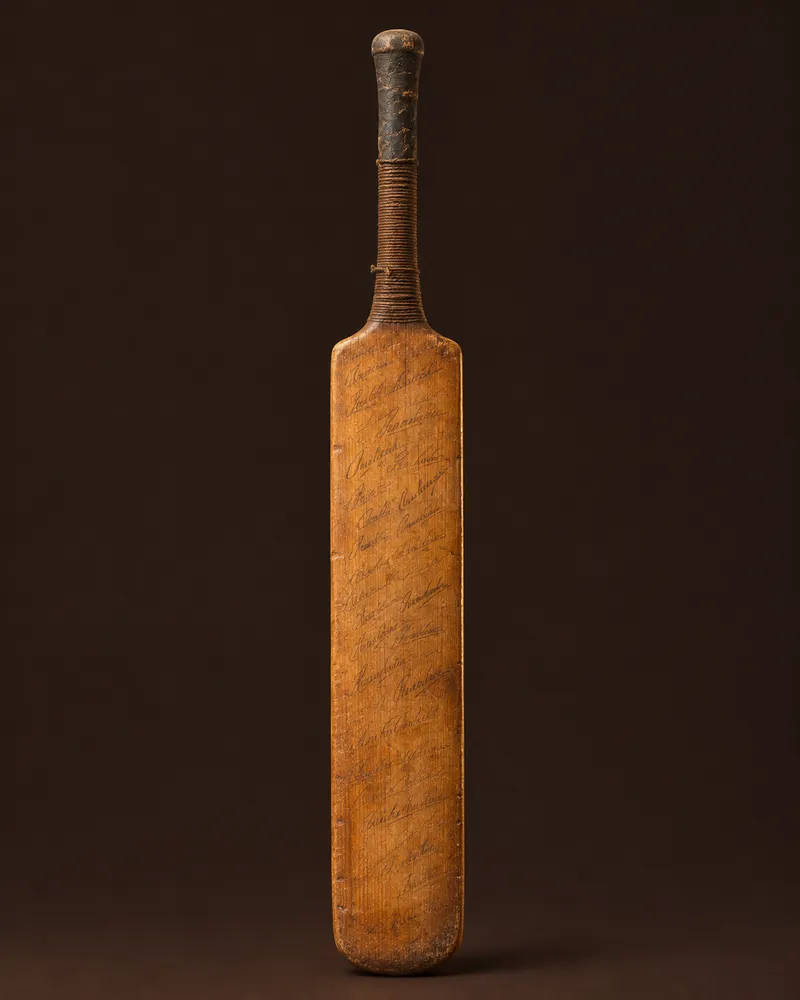
An old cricket bat of honey-brown willow, its face covered in faded team autographs, standing upright

The classic bat

An old willow bat, honey-brown with age, kept long after its last innings.

See it in the museum
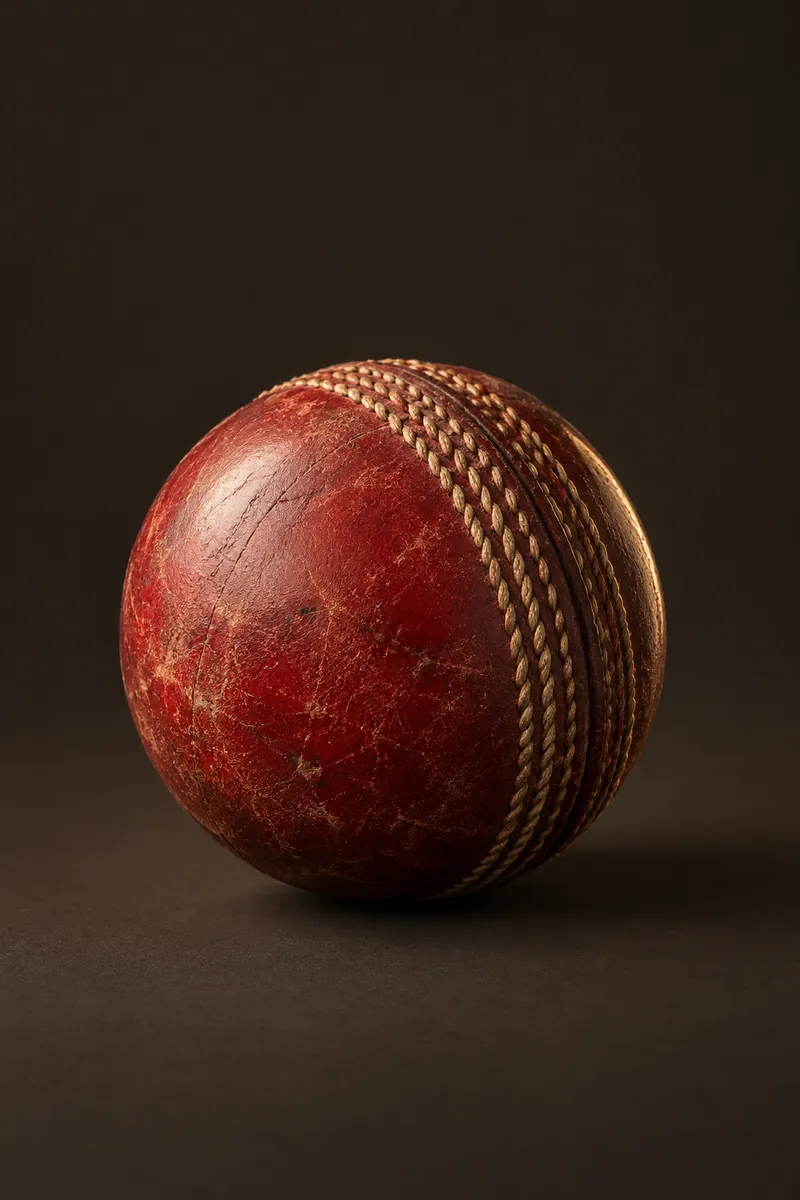
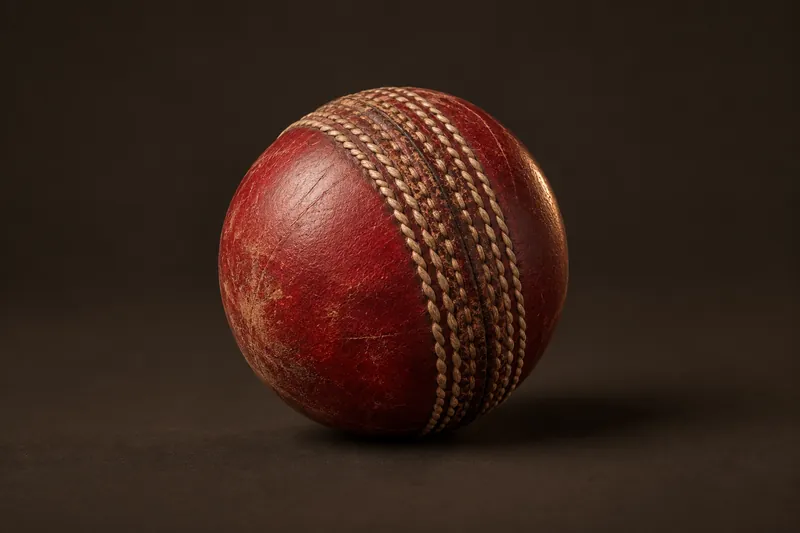
A worn red leather cricket ball with a raised hand-stitched seam, scuffed with use

The worn ball

A red leather ball, scuffed with use, its hand-stitched seam still standing proud.

See it in the museum
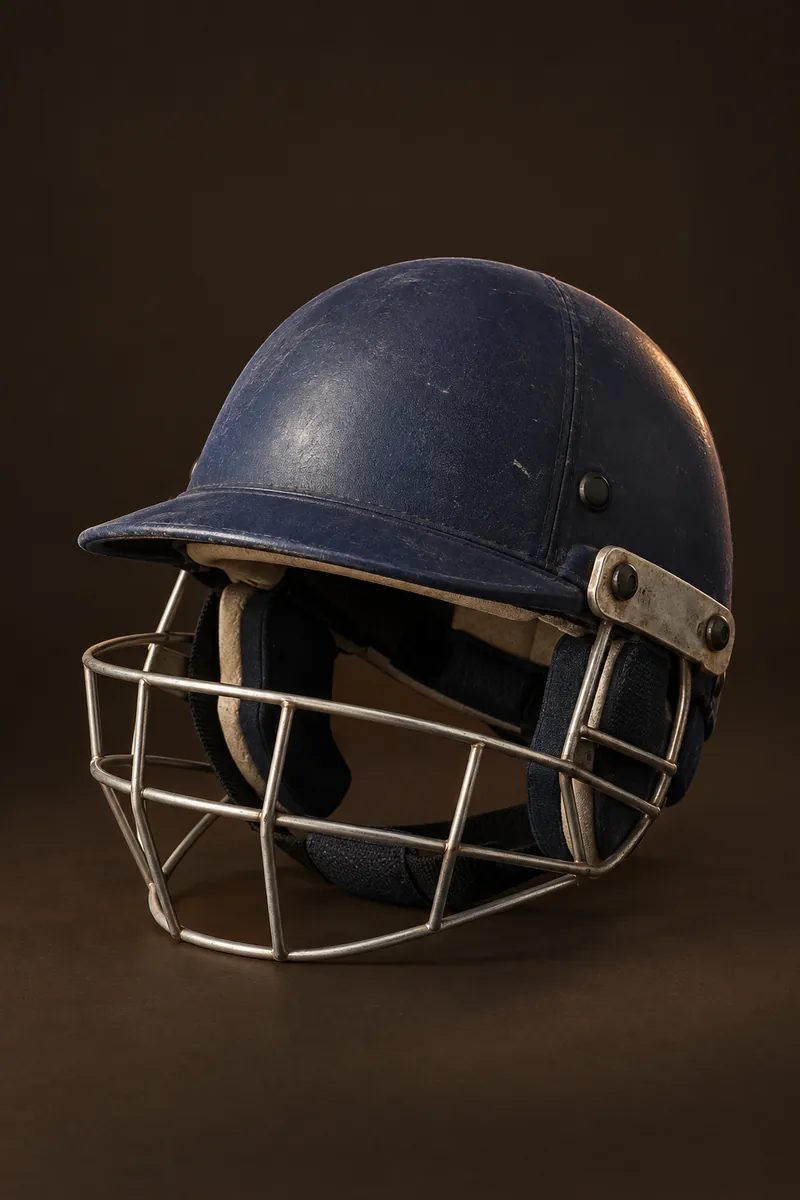
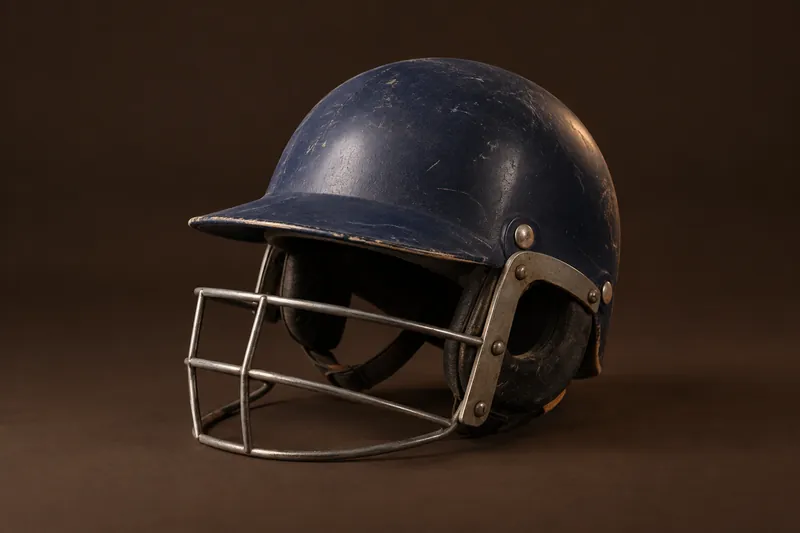
A 1990s cricket helmet with a navy shell and a steel grille

The helmet

A steel-grille helmet of the 1990s. Helmets first appeared in a Test in 1978.

See it in the museum
The collector

A collector’s promise

Dr Nauman Niaz, cricket historian and collector, has spent decades gathering the game’s memorabilia. He has spoken of sharing his collection with the public as a museum. This museum is built around that hope.

To hold such an item is to travel, silently and instantly, across decades.
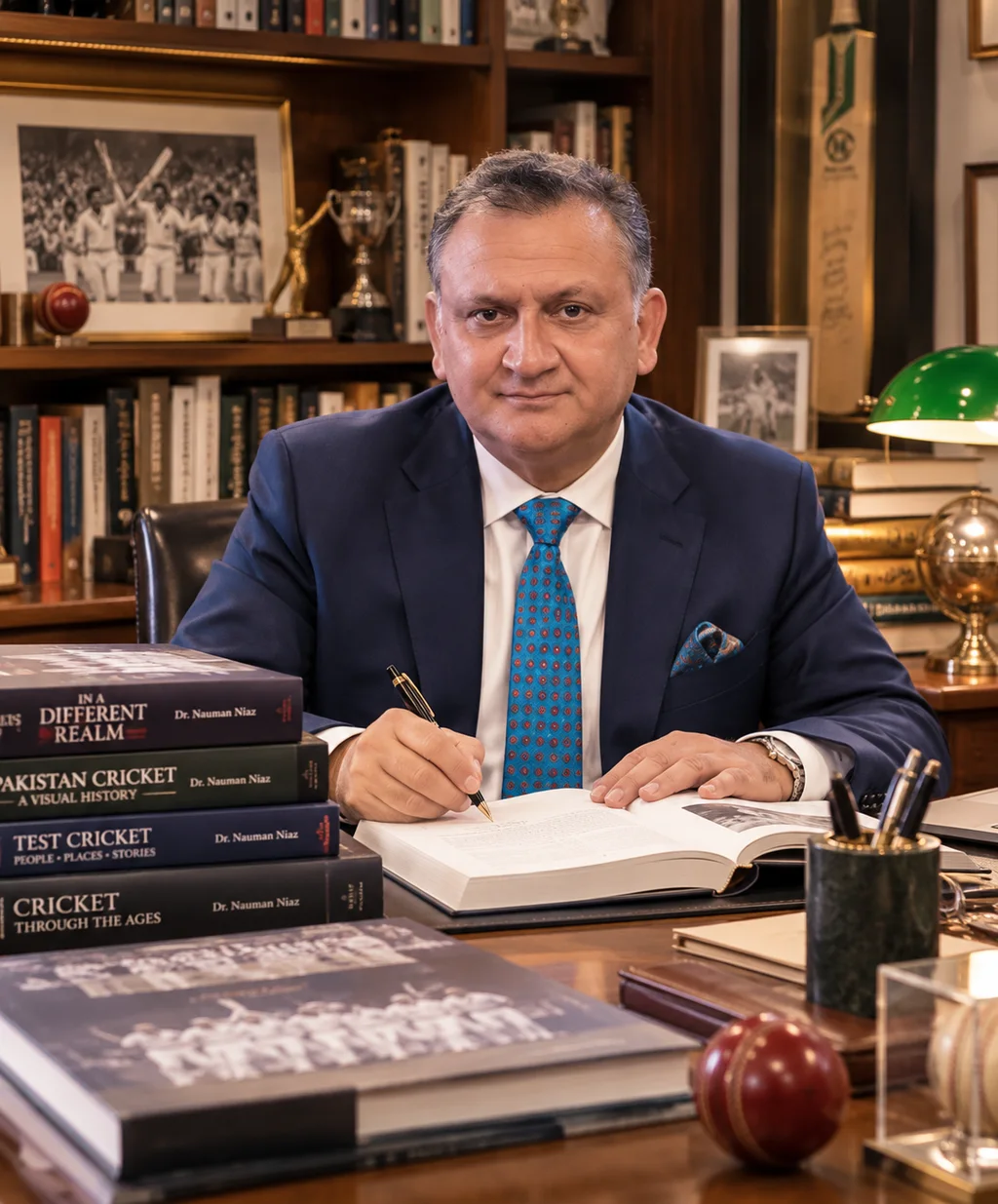
Dr Nauman Niaz
Dr Nauman Niaz at his desk

Books

The written game

Five books by Dr Nauman Niaz, historian and collector.

Cover of Collector’s Eye, Volume I, by Dr Nauman Niaz

Collector’s Eye

Dr Nauman Niaz

Rs 6,500

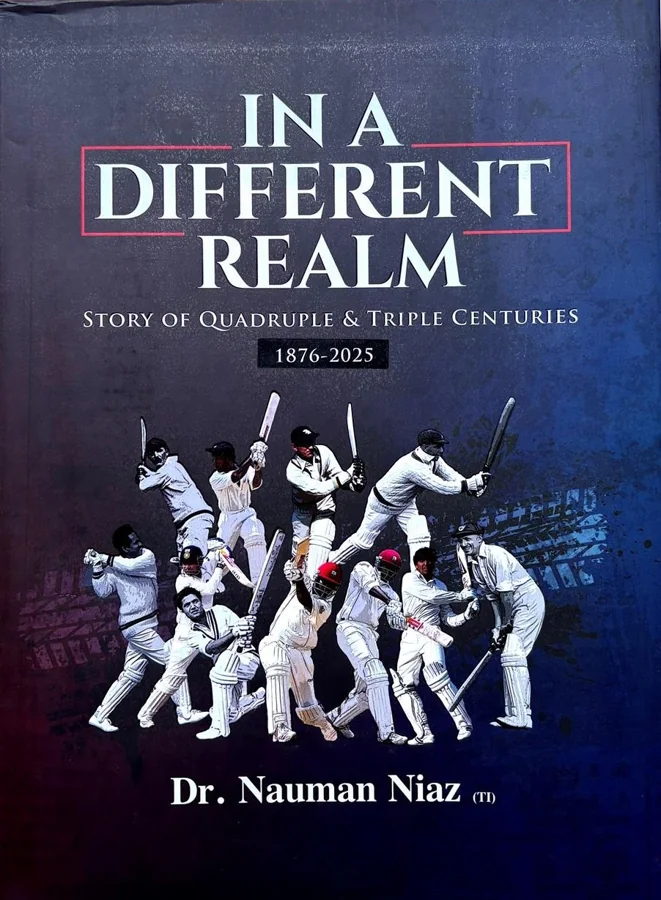
Cover of In A Different Realm: Story of Quadruple and Triple Centuries, 1876-2023

In A Different Realm

Dr Nauman Niaz

Rs 5,200

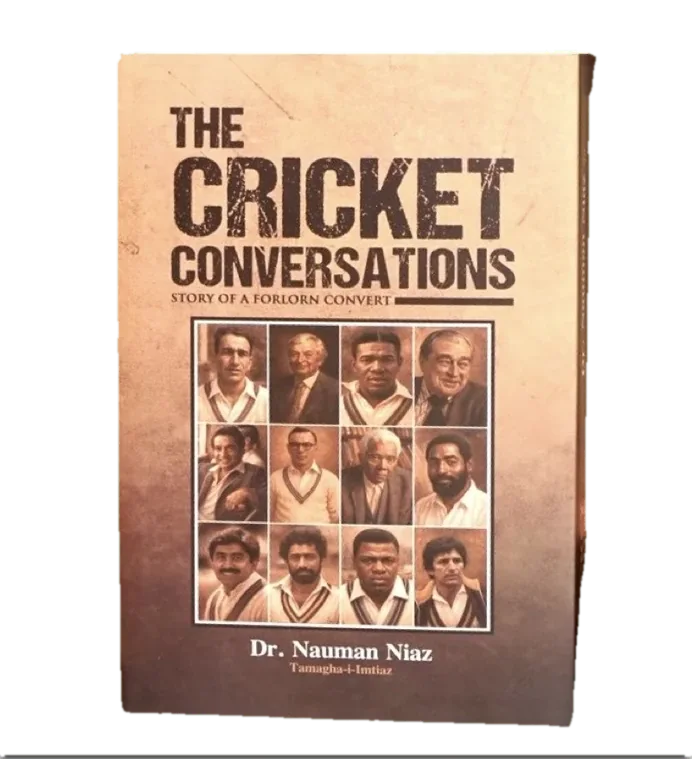
Cover of The Cricket Conversations by Dr Nauman Niaz

The Cricket Conversations

Dr Nauman Niaz

Rs 4,800

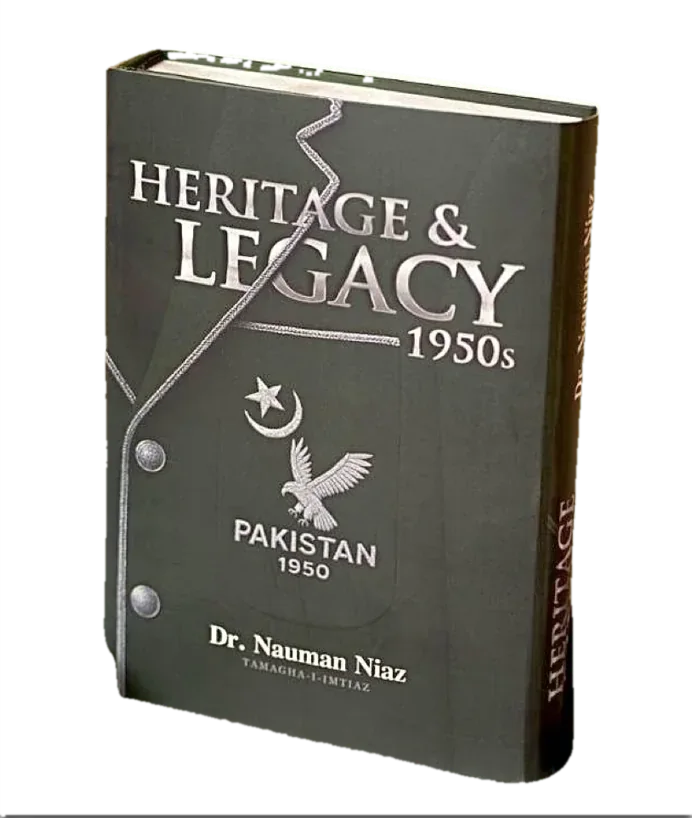
Cover of Heritage and Legacy: The 1950s by Dr Nauman Niaz

Heritage & Legacy: The 1950s

Dr Nauman Niaz

Rs 5,500

The Fluctuating Fortunes

Dr Nauman Niaz

Rs 4,500

Listen and read

Audio & eBook

Every book by Dr Nauman Niaz, to read or to hear.
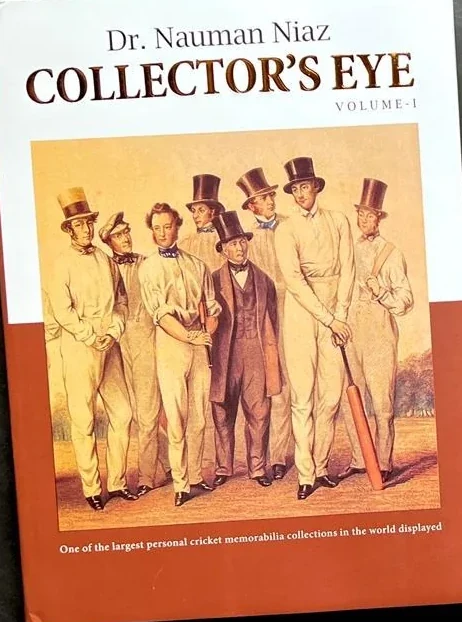
  • Cover of Collector’s Eye, Volume I, by Dr Nauman Niaz

    Collector’s Eye

    Dr Nauman Niaz

    • eBook
    • Audiobook
  • Cover of In A Different Realm: Story of Quadruple and Triple Centuries, 1876-2023

    In A Different Realm

    Dr Nauman Niaz

    • eBook
    • Audiobook
  • Cover of The Cricket Conversations by Dr Nauman Niaz

    The Cricket Conversations

    Dr Nauman Niaz

    • eBook
    • Audiobook
  • Cover of Heritage and Legacy: The 1950s by Dr Nauman Niaz

    Heritage & Legacy: The 1950s

    Dr Nauman Niaz

    • eBook
    • Audiobook
  • The Fluctuating Fortunes

    Dr Nauman Niaz

    • eBook
    • Audiobook

Now playing

In A Different Realm

0:00 / 0:24

Live auction

Own a piece of history

Bid on cricket objects with a past. Each lot closes on its own timer.

7 lots openBids in rupees
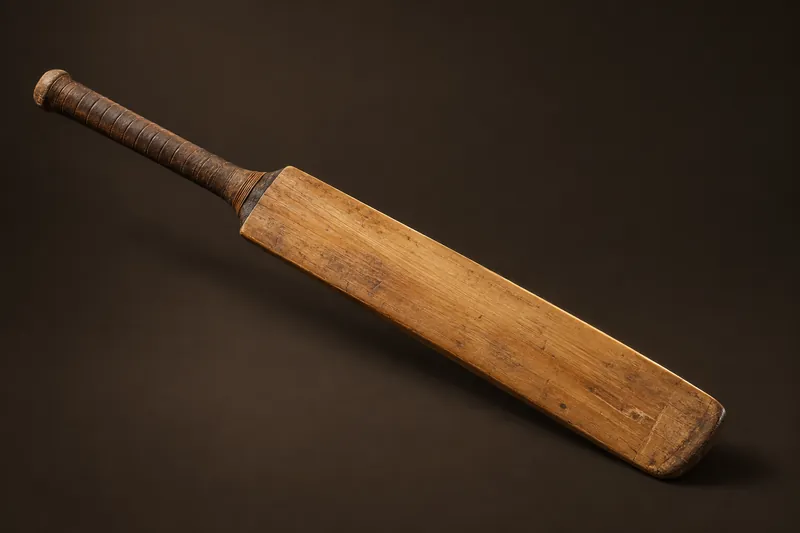
  • An old cricket bat with a cane handle, its willow blade darkened with age

    Lot 1

    Curved-blade cricket bat, pre-1744 type

    Estimate
    Rs 12,000–18,000
    Current bid
    Rs 12,037
    Ends in
    02:14:09
  • A 1950s red leather cricket ball, scuffed, with a raised stitched seam

    Lot 11

    Stitched red leather ball, 1945–1976 design

    Estimate
    Rs 2,000–3,500
    Current bid
    Rs 2,407
    Ends in
    05:03:00
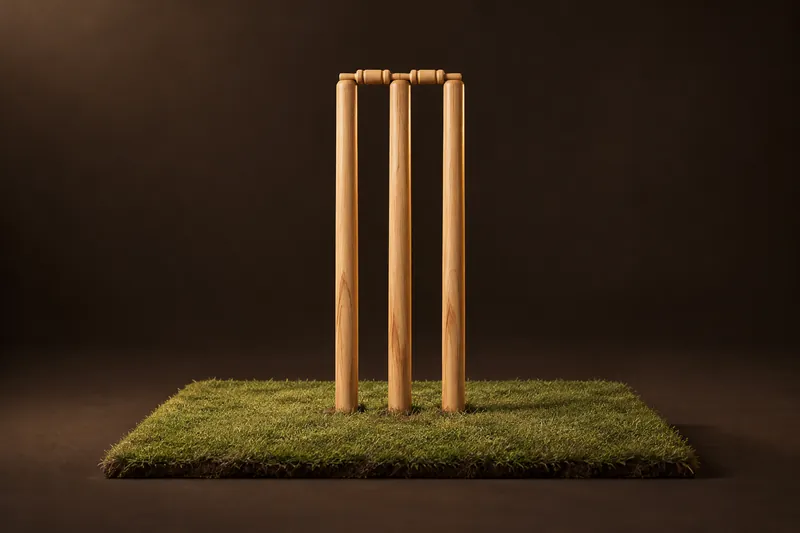
  • Three wooden cricket stumps with two bails, standing in a strip of turf

    Lot 21

    Three-stump wicket with bails, contemporary type

    Estimate
    Rs 4,000–6,000
    Current bid
    Rs 4,777
    Ends in
    00:47:00
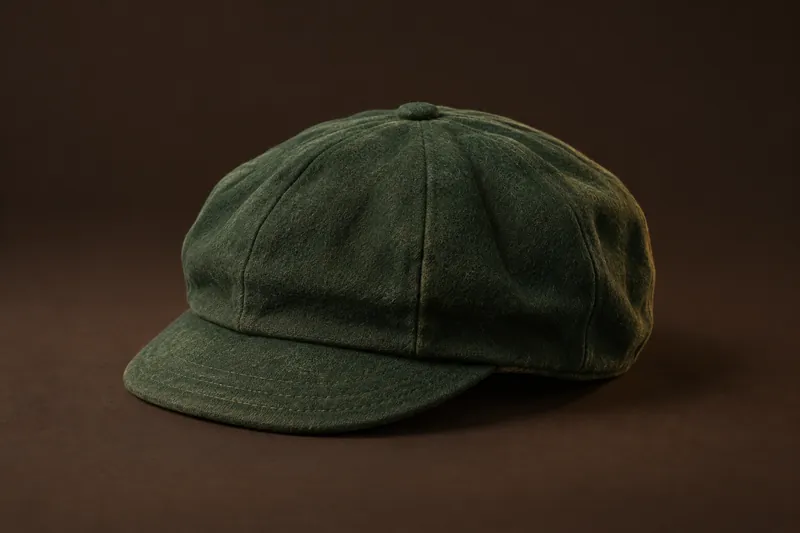
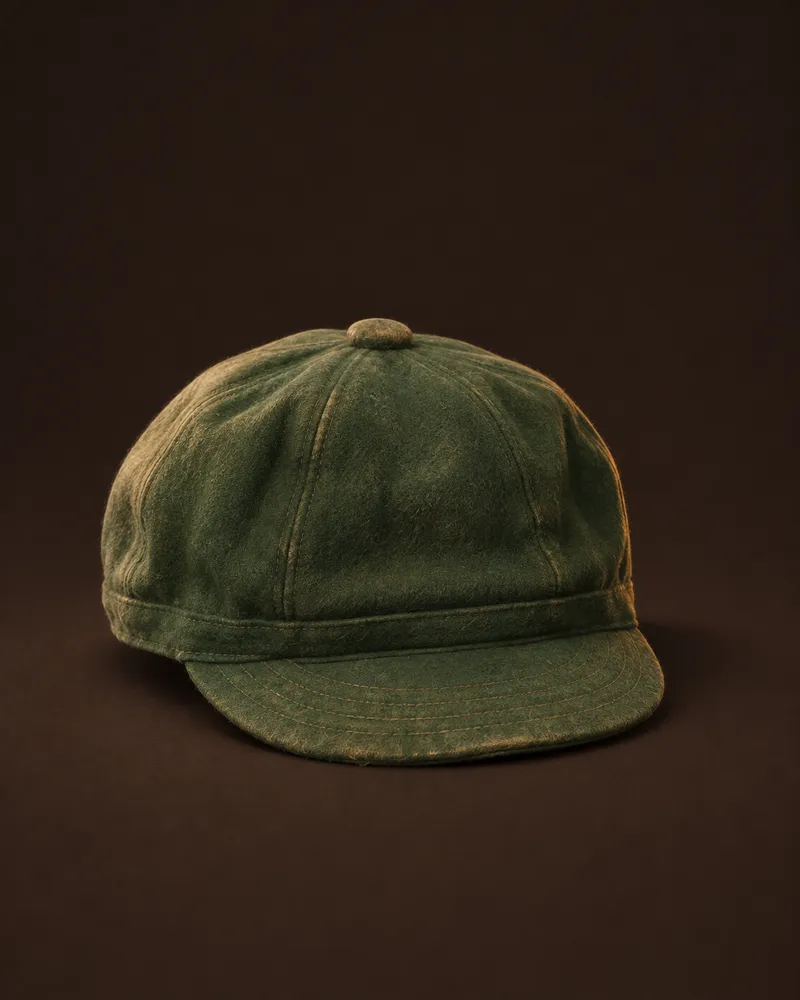
  • A green wool cricket cap without a badge, of the Pakistan style of 1952 to 1976

    Lot 26

    Cloth cap, Pakistan style, 1952–1976 design

    Estimate
    Rs 5,000–8,000
    Current bid
    Rs 5,962
    Ends in
    27:20:00
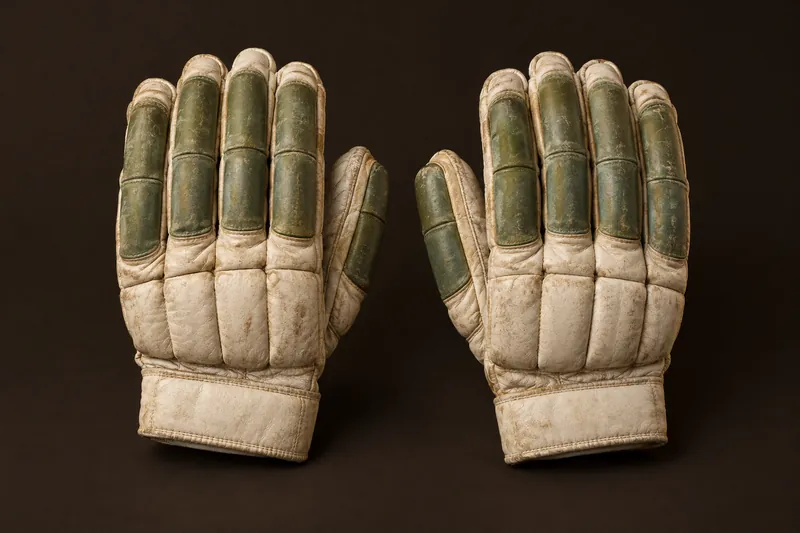
  • A pair of white leather batting gloves with green rubber finger rolls

    Lot 41

    Pair of batting gloves, 1945–1976 design

    Estimate
    Rs 3,000–5,000
    Current bid
    Rs 4,517
    Ends in
    09:20:00
  • A cricket helmet of the 1977 to 1991 type, with a plain shell and a steel grille

    Lot 46

    Protective helmet, 1977–1991 design

    Estimate
    Rs 6,500–9,500
    Current bid
    Rs 8,202
    Ends in
    03:58:00
  • A lime-green Pakistan cricket shirt in the 1992 World Cup design, on a dark mannequin

    Lot 92

    Pakistan ODI shirt, 1992 World Cup

    Estimate
    Rs 8,000–12,000
    Current bid
    Rs 9,140
    Ends in
    17:00:00

The bat, through time

Two centuries of willow

Scroll slowly. One bat turns, and becomes the next.

Straight blade

After 1771 the straight bat took over. From 1774 the Laws held its width to 4¼ inches.

Spliced cane handle

A tapered splice joined a cane handle to the blade.

Shoulderless

The 1960s took the shoulders off the blade.

Modern willow

Most bats are now made by hand in India or Pakistan.

Made in Sialkot

Your bat, made in Sialkot

Sialkot has made the world’s sports goods for over a century. Its bat-makers still shape willow by hand.
How your bat is made

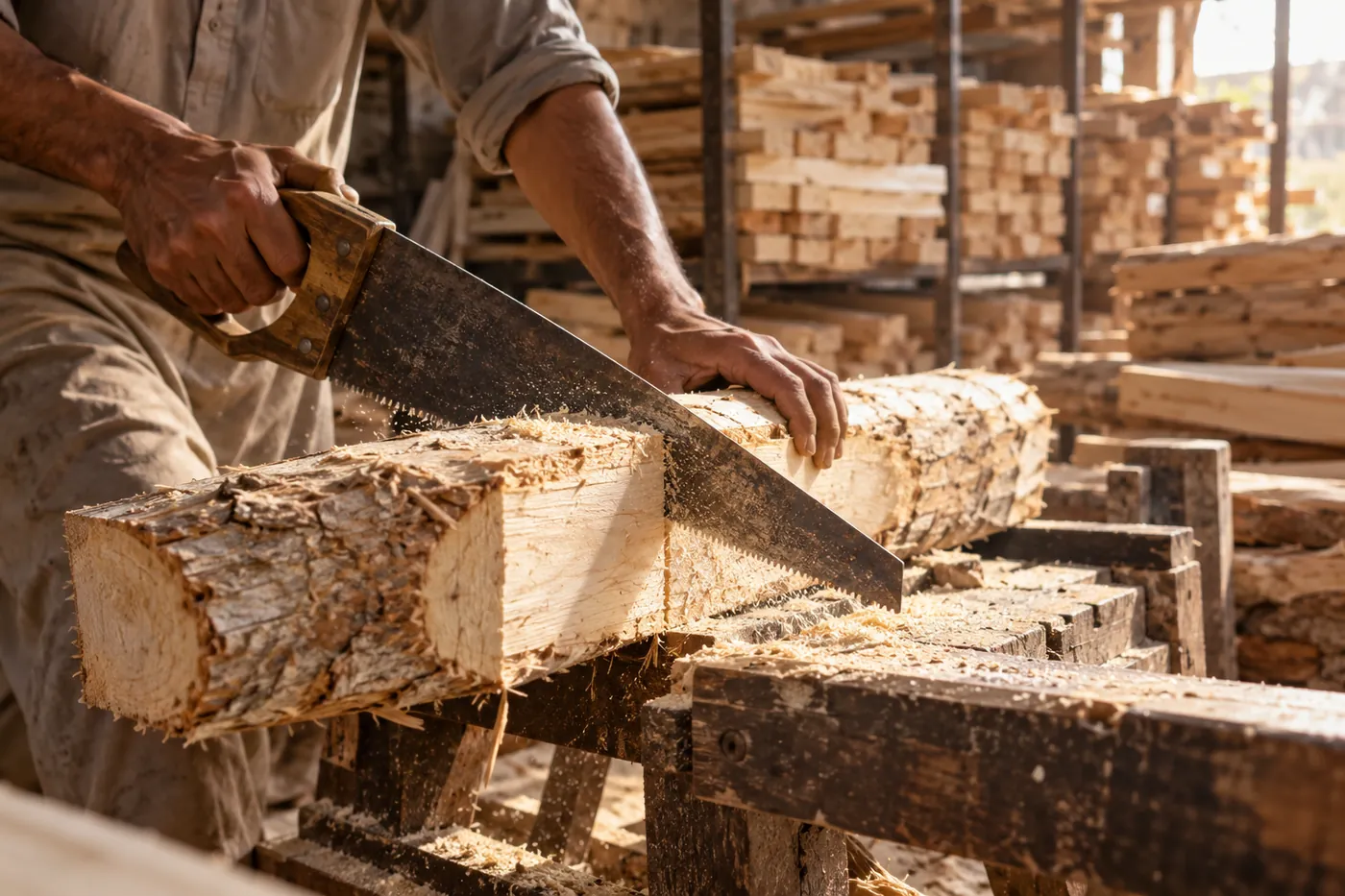
  1. Willow clefts being sawn and stacked to dry in a workshop

    01

    The cleft

    A cleft is sawn from the willow log and left to dry.
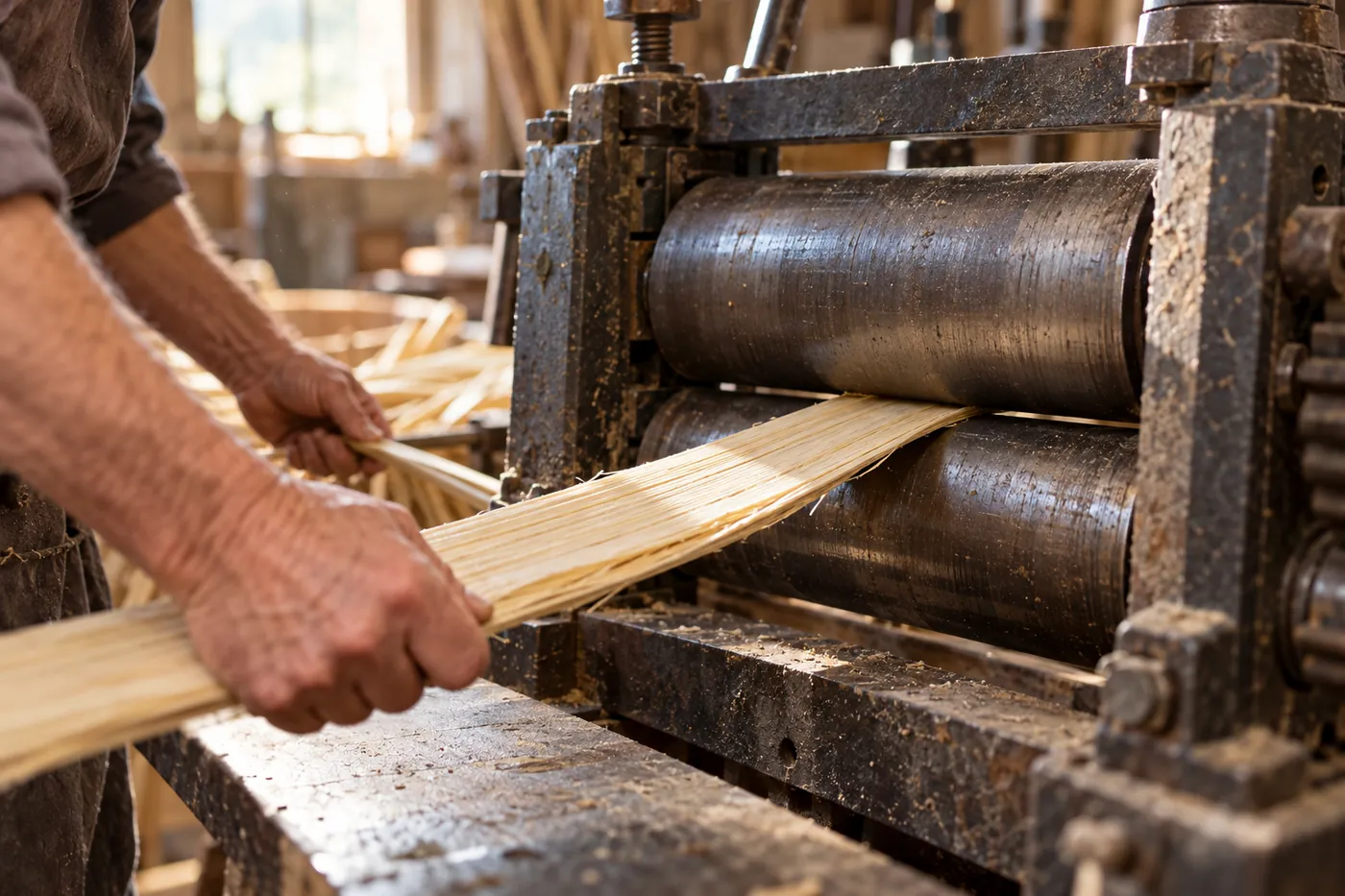
  2. A willow cleft passing through a heavy roller press

    02

    Pressing

    Rollers press the cleft to compact its fibres.
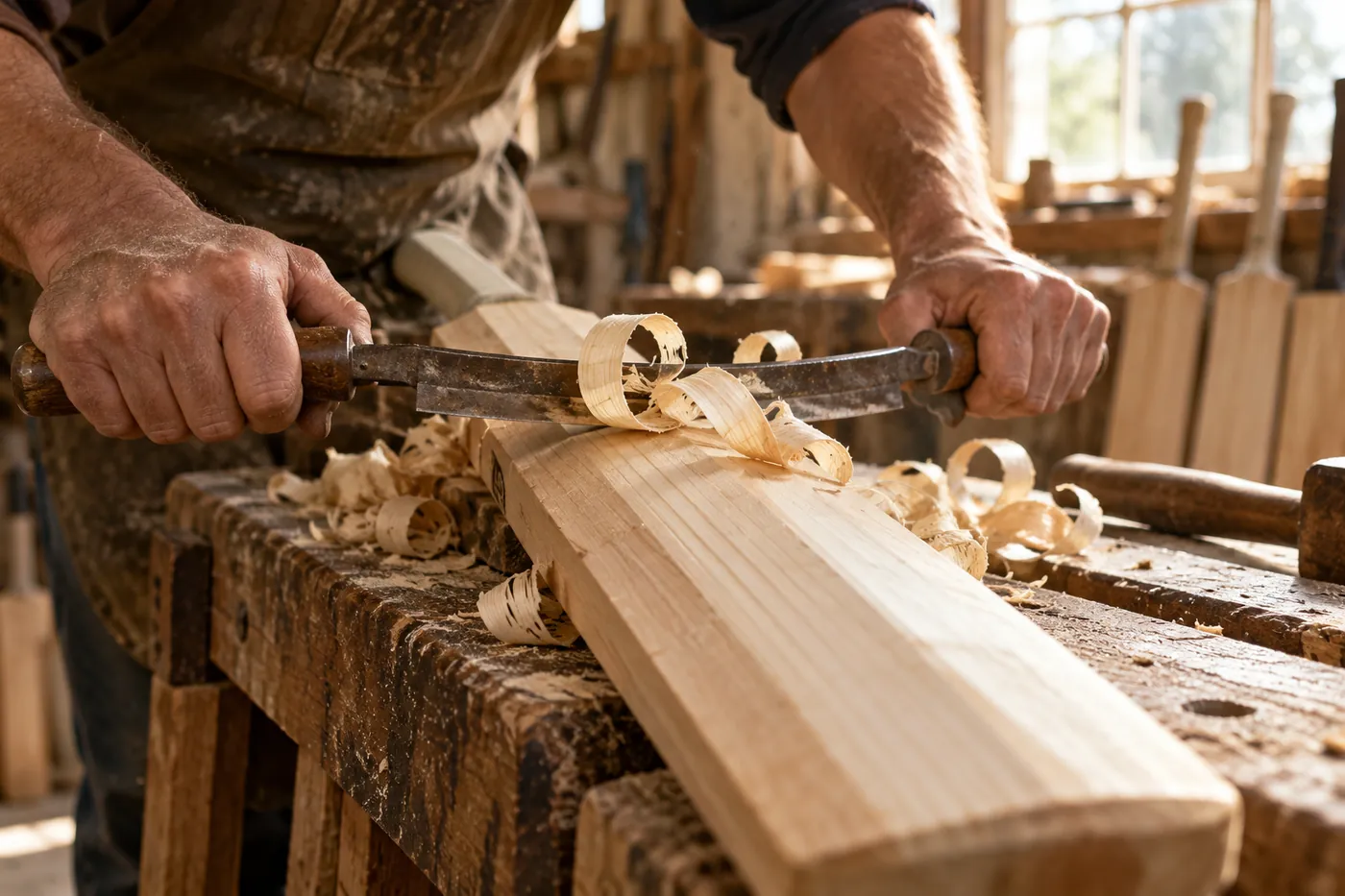
  3. Hands shaping a bat blade with a drawknife, willow shavings curling

    03

    Shaping

    Drawknife and plane bring out the blade.
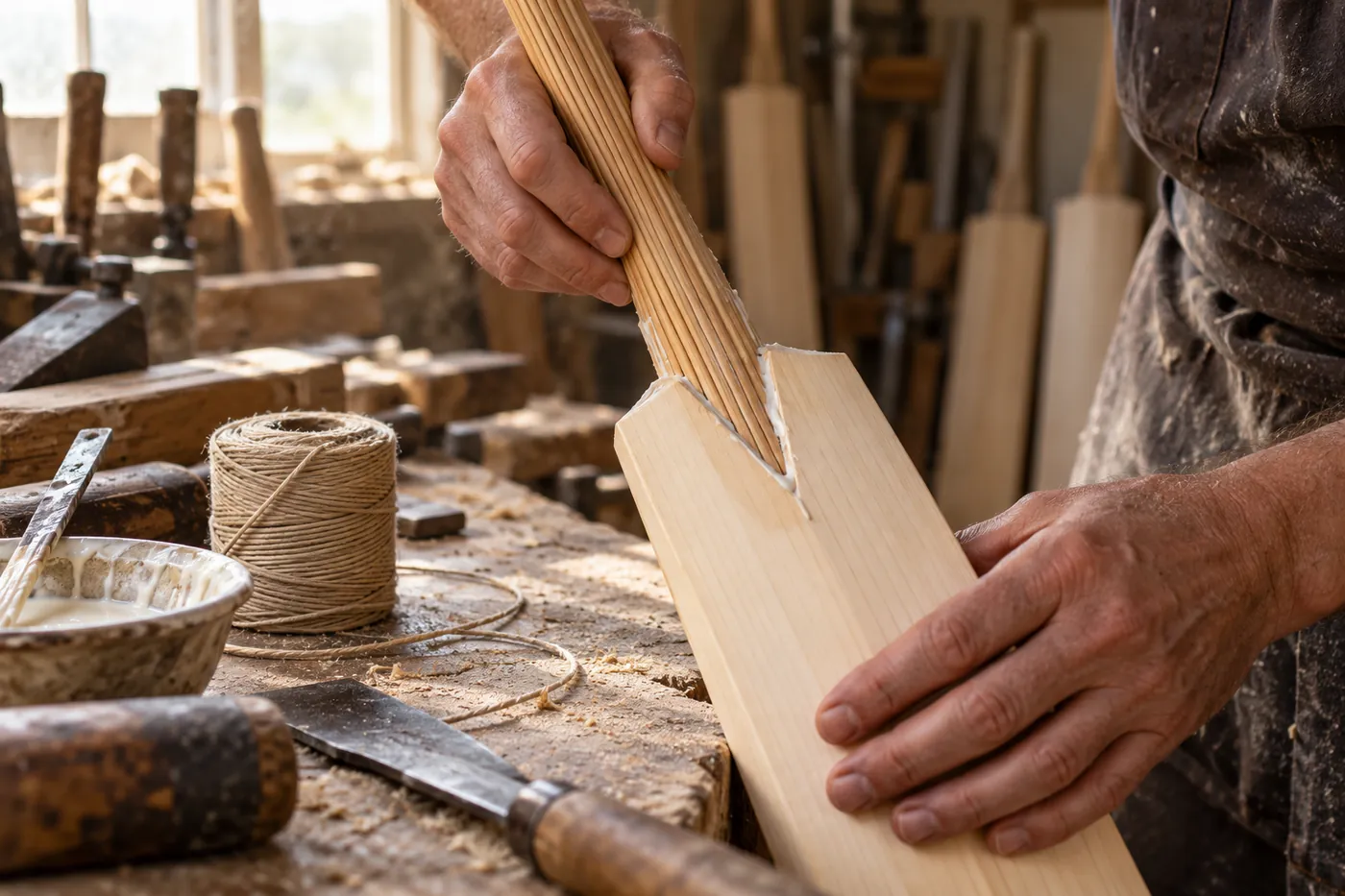
  4. A cane handle being fitted into the splice of a bat blade

    04

    The handle

    A cane handle is spliced into the blade.
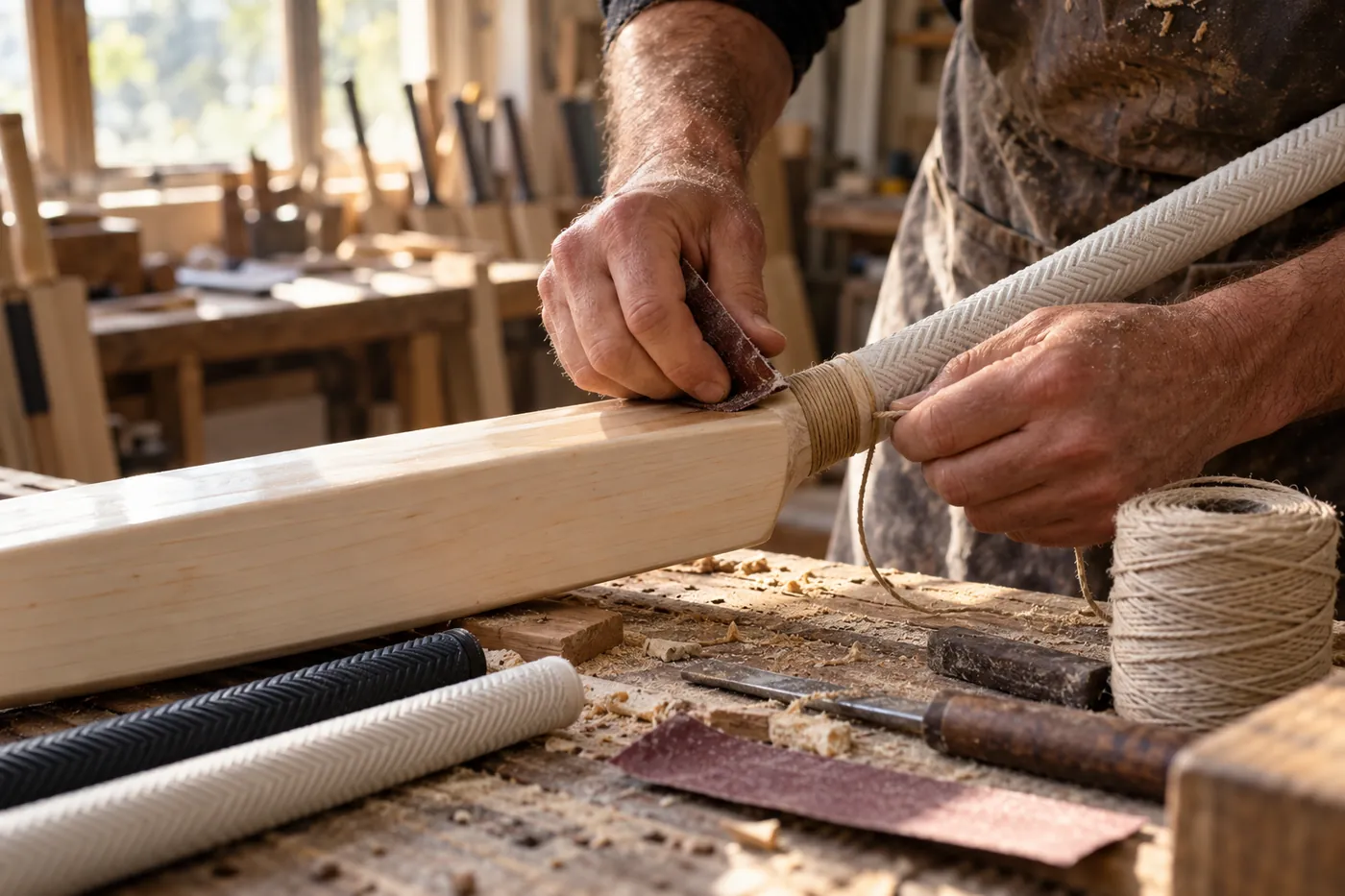
  5. Hands sanding and binding a bat handle

    05

    Finishing

    The bat is sanded, bound and given its grip.
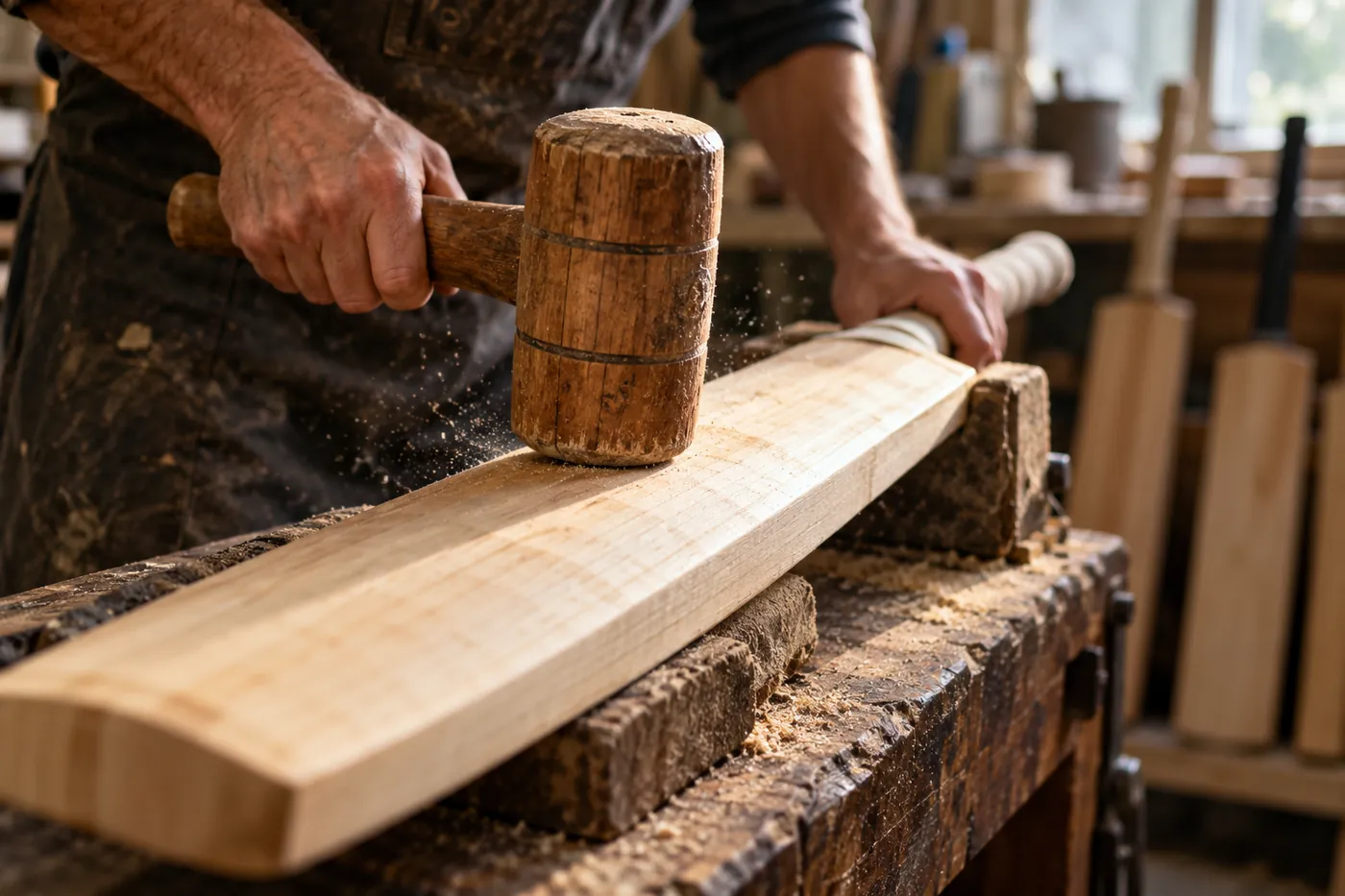
  6. A wooden mallet knocking in a bat blade

    06

    Knocking in

    A mallet readies the willow for play.

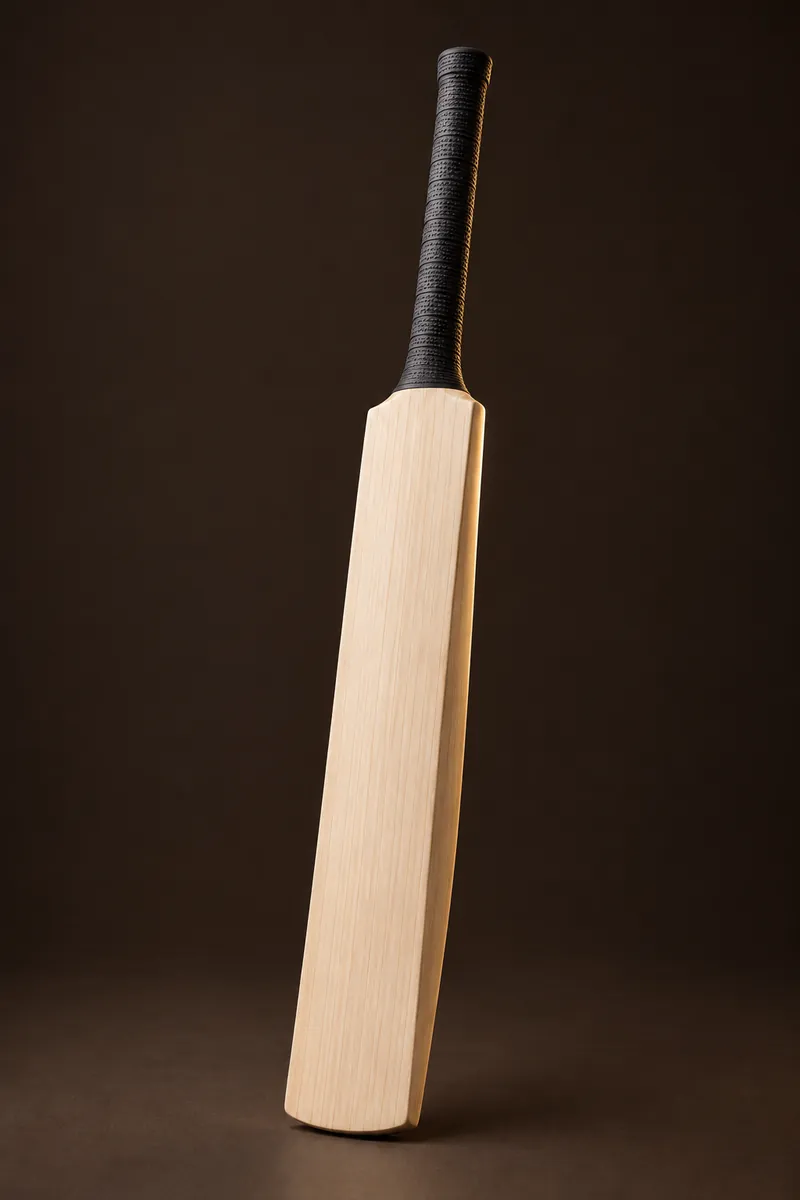
  7. A pale willow bat with a black grip; a name is engraved small near the top of the blade and a signature is scrawled lower down

    07

    Your name

    Your name, engraved by the handle. Signed, if you wish. Commission your signed bat

Made to order

Choose your bat

Choose the willow, the weight and the grip. We put your name on the blade, and reply with a price before anything is made.

Willow
Grain
Size

Short handle suits most adults; long handle suits tall players. Full-size blade, within the Laws of Cricket.

Weight
Handle shape
Grip colour
Signatures

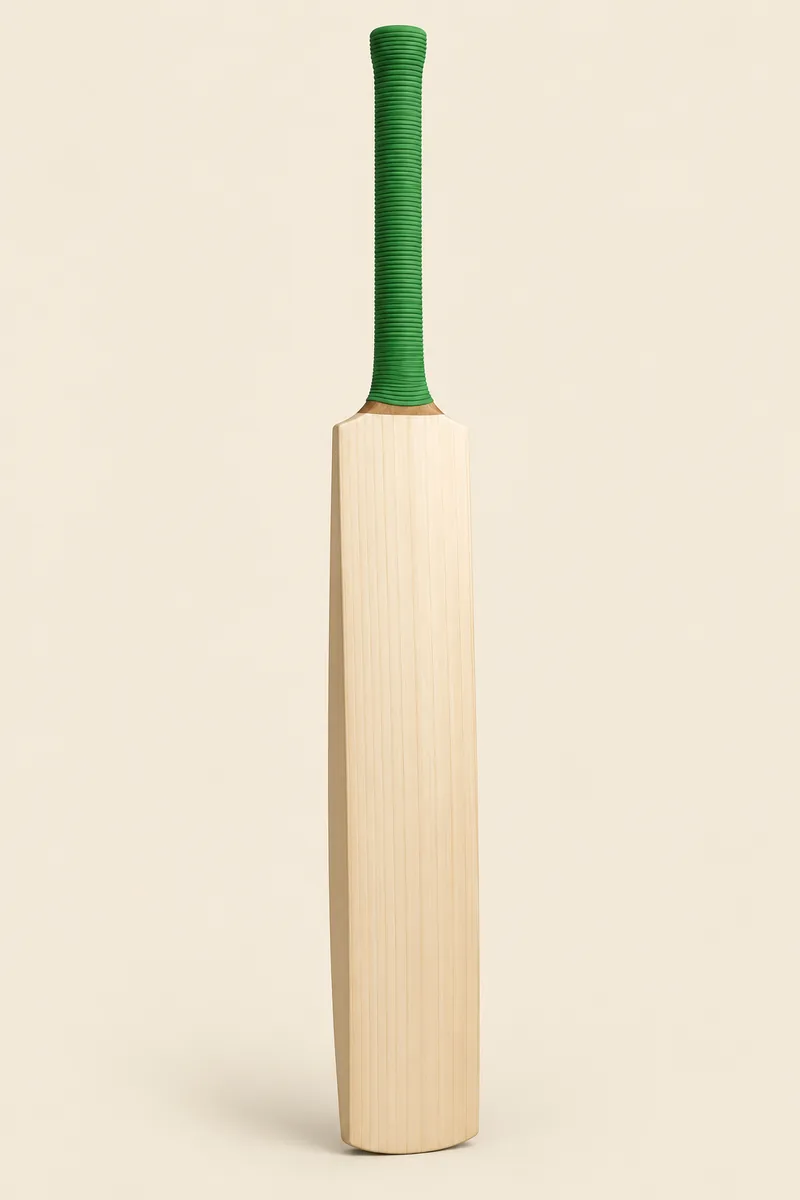
English willow, 8-11 grains, short handle, medium weight, round handle, green grip.

The bat you are designing
Picture of the bat you have chosen.
The Entrance Hall, with its glowing portals

The doors are open

Come in.
Look around.

The museum is getting ready.

Best on a computer.